

In efforts to preserve historical archives and artifacts, this endeavor is noble and essential because it can let future generations touch and analyze the tangible remnants of the past. An industrial dehumidifier will undoubtedly help in this mammal task. Artifacts let us peek at the lives, mindsets, and worlds of those who lived before us; they are essential. Yet, the path to preserving these invaluable treasures is riddled with several challenges; one of the top ones is the humidity—a relentless opponent that can cause irreversible damage to irreplaceable treasures.
An efficient dehumidification system will undoubtedly ensure the durability of artifacts and archives. So, let us understand how to select, install, and maintain these dry air dehumidifiers to protect our cultural heritage.
Understanding the impact of humidity.
First, Physical Deterioration: That irritating humidity is infamous for its ability to warp, swell, or shrink organic materials like paper, wood, and textiles. This deformation in physicality doesn’t just impact an item’s aesthetic and historical value. However, it can also lead to structural disintegration over time. A commercial dehumidifier can avoid it.
Second, Chemical Degradation: Excessive moisture revs up chemical reactions in materials, leading to the deterioration of inks, dies, and other substances. This deterioration can lead to faded texts and images. In extreme cases, it can degrade the essence of historical documents and art pieces.
Third, Biological Threats: High Humidity levels can provide the perfect breeding ground for mold, mildew, and pests. Those little biological agents can consume and destroy organic materials, even ice cream, leaving behind stains, unpleasant odors, and the complete ruin of historic pieces.
Basics of Dehumidification.
How Dehumidifiers Work: Now, on a basic level, industrial dehumidifiers remove excess moisture from the surrounding air. They attain this along various methods, such as condensation (that is, cooling air to remove moisture) and absorption/adsorption (where materials are used to suck up water vapor, right?). Both methods aim to generate dry air to control humidity, essential for preserving the environment.
Types and Their Application: Dehumidifiers can come in various kinds, each perfect for different needs and environments. Refrigerant-based dehumidifiers are highly sought after for big spaces like museums and archives due to their efficiency in cold conditions! Desiccant dehumidifiers are perfect in cold settings and preferably used for delicate preservation needs, where controls on temperature are as important, if not more, as managing humidity.
Dehumidifiers for preserving.
Next, Stabilizing Environmental Conditions: To a room full of historical archives and artifacts, the commercial dehumidifier’s primary role is stabilizing the environmental humidity. The controlled environment it creates will prevent the physical, chemical, and biological degrading processes that could otherwise be fast-forwarded by moisture and, as a result, prolong the treasured historical materials’ life and integrity.
Case Studies of Effective Implementation: A lot of institutions have firsthand experienced the positive benefits of integrating industrial dehumidification systems into their game plan for preserving obras. For instance, the National Archives of a [Country] has reported a big reduction in mold outbreaks and physical deterioration of documents after they installed a state-of-the-art dehumidification system.
Choosing an industrial dehumidifier.
To Criteria for Archives and Museums: Choosing the right air dehumidifier requires a lot of consideration, such as the size of the space, the specific humidity requirements of materials being kept, and the climate conditions of the local environment space. Energy efficiency and the system’s ability to integrate into existing HVAC systems are also essential to consider.
For Maintenance for Longevity: Regular maintenance is essential, okay? To ensure that dehumidifiers would keep functioning effectively. Good maintenance not only prolongs the life of a dehumidifier but also ensures lasting protection for historical collections.
Latest dehumidification technologies.
Over time, commercial dehumidification technologies have improved in terms of power consumption. There are the so-called smart dehumidifiers, machines that could automatically adjust optimally based on data collected from the environment in real-time, and these are increasingly seen as go-to devices. The new edge portable industrial dehumidifier uses less power and successfully maintains dry conditions in the storage rooms.
Another promising tech in development integrates green dehumidification technology. These new desiccant dehumidifiers use silica as an absorbing agent instead of refrigeration circuits that use compress. Thus, it cuts down carbon footprints.
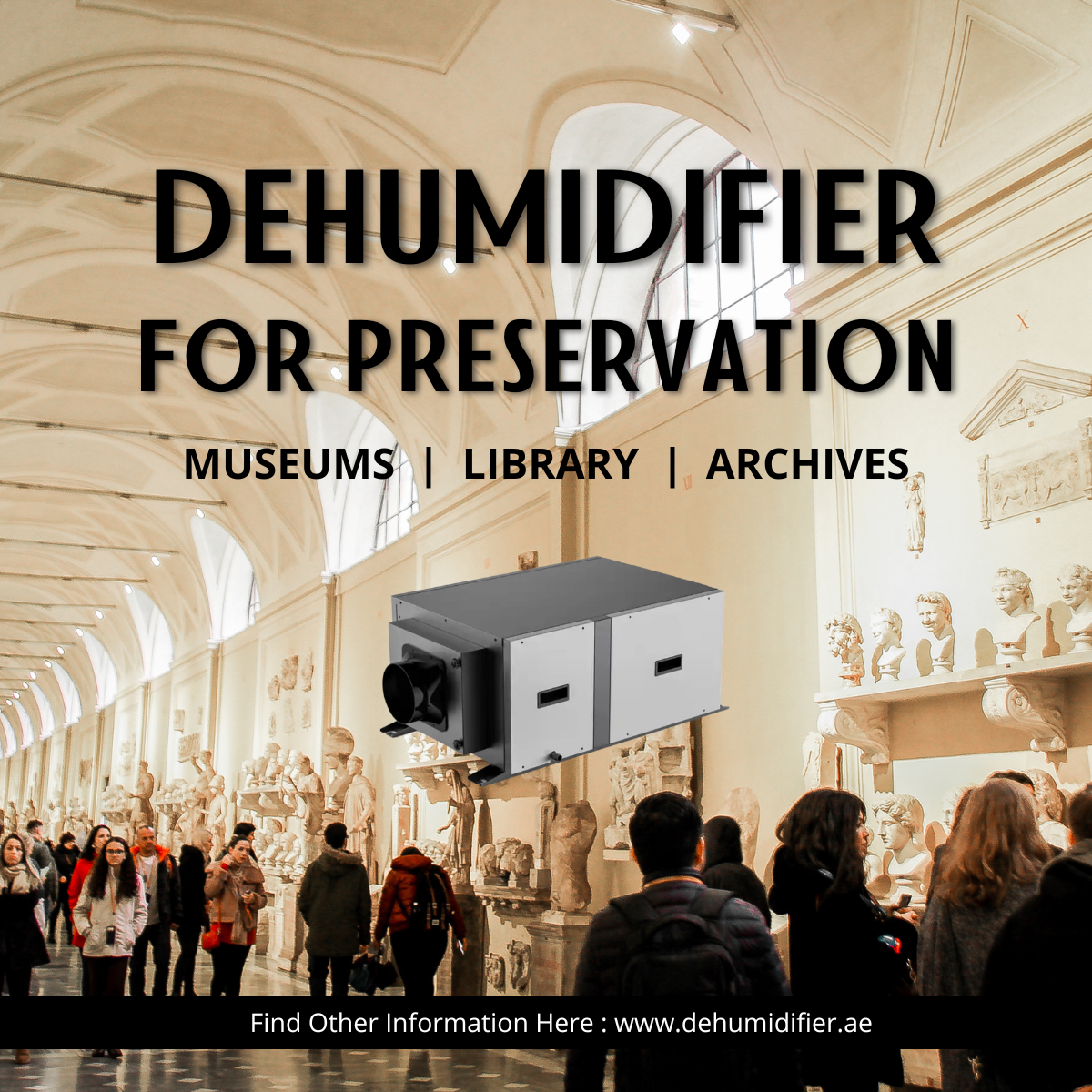
Practical applications.
In today’s world, archives, rooms, and museums use advanced dehumidification techniques to create dry conditions to protect artifacts and documents. For example, in a Museum of Natural History in [Generic Location], a recently implemented HVAC system includes a state-of-the-art solution to dehumidification. This dehumidifier uses sensors to monitor environmental conditions continually, and the dehumidification settings are adjusted automatically according to indoor and outdoor humidity levels.
Challenges and considerations.
Regardless of the progress in technology, along with the proven benefits of dehumidification, there are still quite a few challenges and considerations—yeah, just like we need food to live, these things also exist. One of the main concerns is needing to balance humidity levels. Humidity, whether too much or too little, can cause equal damage, leading to brittleness and cracks in organic artifacts.
Another something to consider is the cast associated with advanced industrial dehumidifiers. Of course, the benefits in the long term are clear to see; the initial investment, though, could be significantly high, especially for relatively more minor institutions or those with limited budgets. Regardless, considering the potential for reducing maintenance and conservation expenses over time and the valuable effect of preserving cultural heritage, the money spent will always be worth it.
Dehumidifiers’ role in the preservation of historical archives and artifacts is not only key but also developing. Dehumidification machines are essential in maintaining the right environment to preserve historic treasures. With the fast advancement in technology paired with a rising emphasis on sustainability, the future of preservation is bright!
The path of preservation will continue, and through using the best technology and dedicating effort, we can shield our history for several years. Let’s install dehumidifiers in each archive room and museum to protect our history.


 Dehumidifiers Dubai.